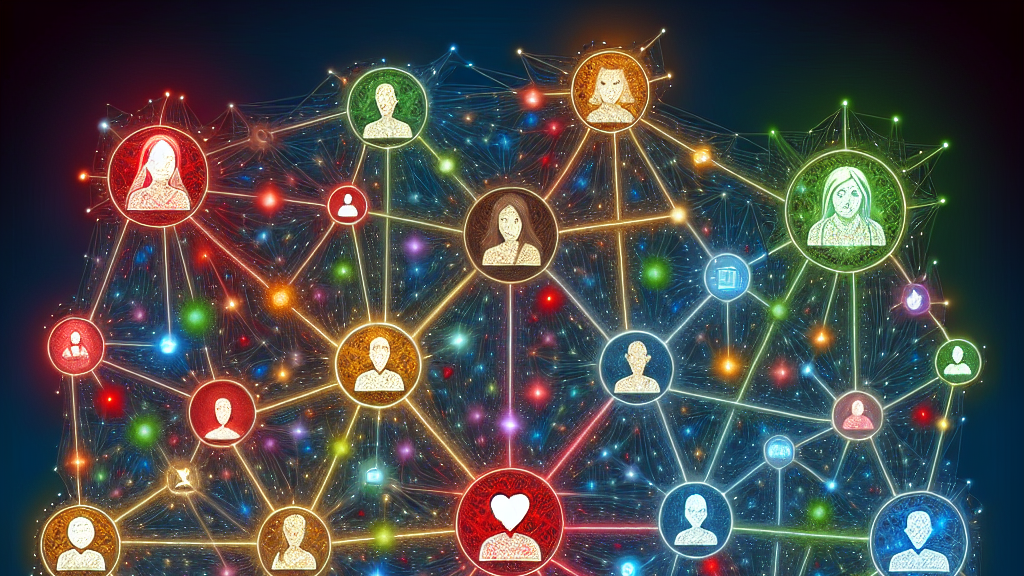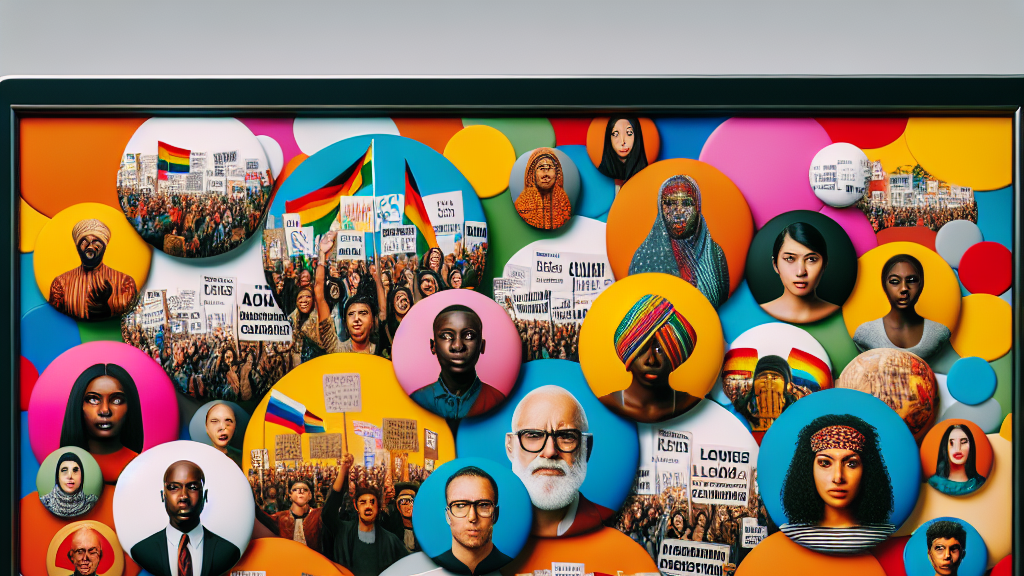
Social media is supposed to connect us, right? But what if it’s actually pushing us apart? Recent research explored how algorithms on these platforms might be creating ‘bubbles’ where we only see content we agree with, leading us to be less understanding of different ideas or people. This is like living in a world where everyone agrees with us, but it actually makes it harder to relate to anyone outside this bubble. Sounds crazy, right?
So, how does this work? The research looked into how social media algorithms function, which means the rules and calculations that decide what we see online. These algorithms often show us more of the content we like or engage with, which seems nice at first. However, it can lead to communities forming around shared ideas that are totally separate from others. In times of tension, like protests or elections, these ‘filter bubbles’ might amplify negative or discriminatory messages. This creates more division on issues like sexism or racism, making it hard to find common ground or shared understanding with others.
Imagine a world where your friend has a totally different view on a topic but doesn’t know it because their social media doesn’t show them anything else. This research suggests that if we don’t address these bubbles, society might miss out on important discussions that bring us together. We need to think about how to change this, perhaps by encouraging platforms to promote diverse content or by being more mindful of what we choose to engage with online. This could lead to a more connected and understanding community, even in our digital spaces.
Did you know some studies suggest you can end up seeing 70% of the same content over and over once a social media algorithm gets to know your preferences?
FAQs
How do social media algorithms contribute to online discourse fragmentation?
Social media algorithms often prioritize content based on user interactions, which can create filter bubbles where users are primarily exposed to opinions similar to their own, leading to fragmented online discourse.
Why do filter bubbles make it harder to have shared understanding in society?
Filter bubbles limit exposure to diverse perspectives, causing individuals to become entrenched in their own views, making it challenging to establish common ground and shared understanding with others who may have different opinions.
What role do social media platforms play in amplifying discriminatory discourse?
Social media platforms can unintentionally magnify discriminatory discourse, such as racism or sexism, by algorithmically promoting content that engages users, even if it’s controversial or polarizing, especially during periods of societal tension.
How can understanding the impacts of filter bubbles influence our online behavior?
Awareness of filter bubbles can encourage us to seek diverse viewpoints and engage with a broader range of content online, which can help reduce societal divides and foster a more inclusive dialogue.
What are some potential solutions to mitigate polarization from social media algorithms?
Possible solutions include creating more transparency in algorithms, promoting content diversity on platforms, and encouraging users to consciously engage with content that challenges their perspectives.
Background
Social media algorithms are complex sets of rules that determine what content users see based on their interactions, such as likes, shares, and comments. These algorithms are designed to maximize user engagement, often by showing them content they are more likely to agree with. This can create ‘filter bubbles,’ which are situations where a user only sees content that reinforces their existing beliefs and values, limiting exposure to differing viewpoints. Such bubbles can contribute to a lack of shared understanding and increased polarization in society, as people become less exposed to alternative perspectives.
History
The concept of filter bubbles gained prominence with the rise of social media platforms in the early 21st century. As these platforms evolved, their algorithms became increasingly sophisticated, focusing more on personalized content delivery. This approach has its roots in earlier studies of information dissemination and media effects, which explored how individuals become isolated in their ideological preferences. As social scientists and philosophers studied these phenomena, the term ‘filter bubble’ was coined to describe the increasingly narrow information landscape experienced by users. This research builds on those foundations by examining the philosophical and societal implications of digital discourse fragmentation.
Based on “From Public Square to Echo Chamber: The Fragmentation of Online Discourse” by Abhinav Pratap, Amit Pathak, available on arXiv (arxiv.org/abs/2501.18441), used under CC BY 4.0 (creativecommons.org/licenses/by/4.0/).