Imagine if we could predict the winner of a presidential election just by analyzing facial expressions on social media! Sounds crazy, right? Yet, a recent study proposes that by examining how people’s faces align with their words online, we might just unlock powerful insights into public sentiment. Especially during major political events, what we post could speak volumes about our true feelings, even when words fail us.
This fascinating research analyzed Instagram posts during the 2024 U.S. presidential election and found that facial expressions often reveal emotional nuances that we might miss in text alone. For instance, during significant events involving Donald Trump, such as his conviction and an assassination attempt, facial expressions in posts depicted heightened negative emotions, despite what the accompanying text might have conveyed. Democrats and Republicans each portray emotions strategically: Democrats highlight opponents’ fear to suggest vulnerability, while Republicans emphasize their candidate’s anger to show strength.
So, what does this mean for us? By integrating facial expression analysis with textual sentiment, we can grasp deeper insights into the collective mood during crucial times. Imagine political parties tailoring their campaigns based on authentic emotional cues gathered from the faces of the public. It’s like reading between the lines, not only in text but also in the faces people show to the world. This could revolutionize how we understand and influence political narratives, making social media a more authentic reflection of societal emotions.
Humans can convey over 3,000 emotions through facial expressions alone!
FAQs
How does facial sentiment analysis work?
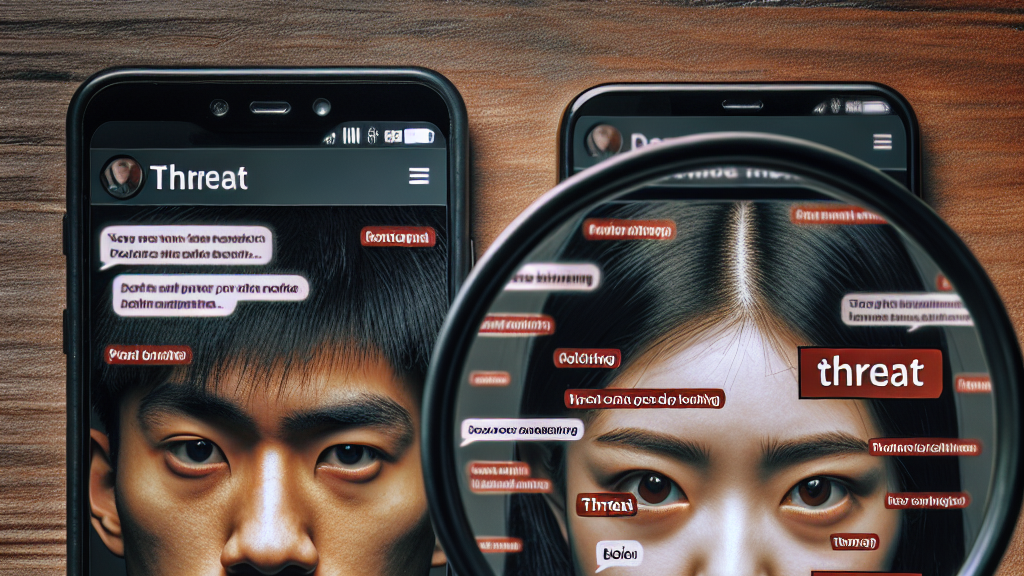
Facial sentiment analysis involves examining facial features and expressions to interpret a person’s emotional state. Technologies can detect subtle facial movements to indicate emotions like happiness or anger, complementing text-based sentiment analysis.
Why is it important to study facial expressions on social media?
Studying facial expressions on social media provides a deeper understanding of emotional nuances that are not always captured through text alone. It helps us understand public reactions to events more holistically.
What did the study reveal about political events and sentiment?
The study found that significant political events, such as Donald Trump’s conviction, saw a rise in negative sentiments in Instagram posts. It showed how political parties might use these emotional cues strategically in their campaigns.
Background
Sentiment analysis is a technique used to determine the emotional tone behind a series of words, helping us understand the attitudes, opinions, and emotions expressed within an online mention. By analyzing texts, we can gauge public mood on various topics. However, as communication becomes increasingly visual, understanding emotions through facial recognition adds a crucial layer, capturing expressions that texts might miss.
History
Sentiment analysis has been a key tool in understanding social media dynamics since the rise of platforms like Twitter and Facebook. Initially focused on text, the field has expanded as visual content becomes more prevalent. Recent advancements in computer vision now enable the integration of facial expression analysis into sentiment studies. This study builds on these advancements by applying such techniques to the politically charged environment of the U.S. presidential election.
Based on “Faces Speak Louder Than Words: Emotions Versus Textual Sentiment in the 2024 USA Presidential Election” by Chiyu Wei, Sean Noh, Ho-Chun Herbert Chang, available on arXiv (arxiv.org/abs/2412.18031), used under CC BY 4.0 (creativecommons.org/licenses/by/4.0/).