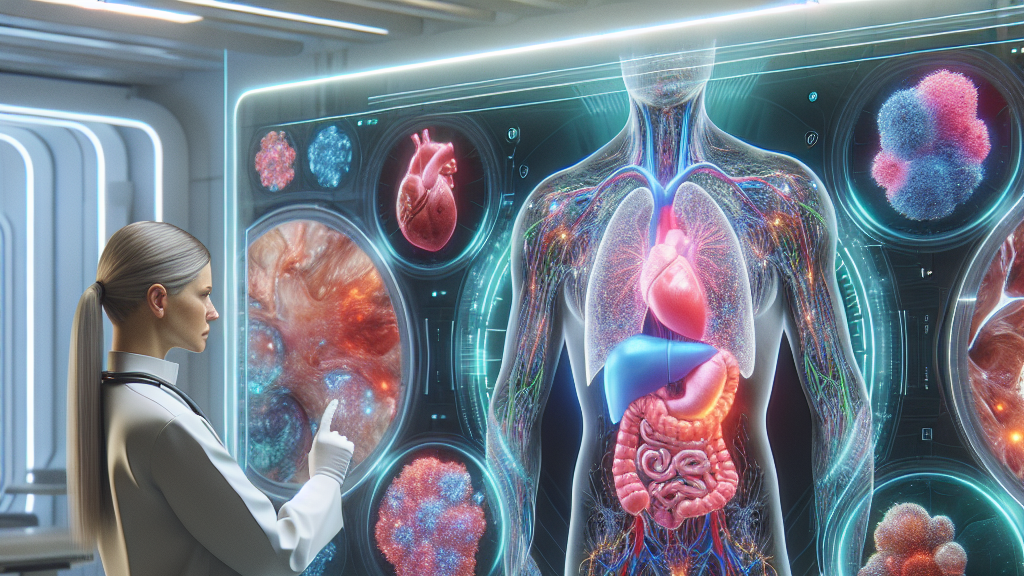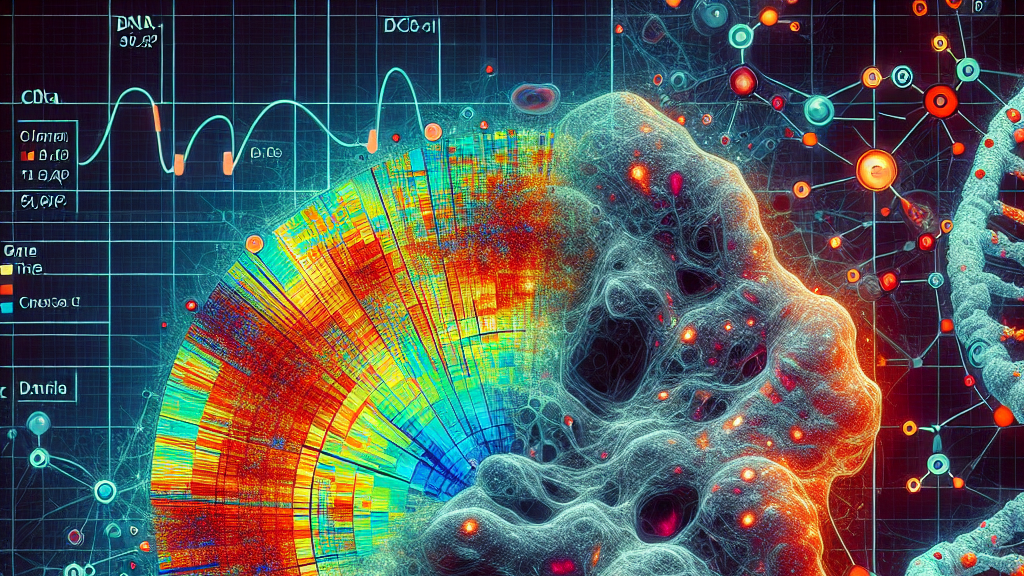
Imagine a future where doctors could predict cancer outcomes just by looking at tumor images—it sounds like science fiction, but it’s on the horizon! A new study suggests that those colorful slides doctors examine under a microscope could do more than help diagnose disease: they might help predict the likelihood of your genes acting up in cancerous ways.
The secret lies in a process called DNA methylation, where tiny chemical tags on DNA can alter gene activity without changing the genetic code itself. Researchers are exploring how machine learning can analyze slide images from cancer patients to predict these methylation patterns, linking them to potential cancer outcomes. Researchers used data from three types of cancer, revealing this new method outperformed traditional ones by over 20%.
This innovation could transform the way we approach cancer treatment. Imagine more accurate diagnoses and personalized treatments determined from something as simple as a slide image. Not only could this approach make cancer diagnosis quicker and more accessible, but it might one day help save lives by ensuring patients receive the most effective treatments right from the start.
Did you know? DNA methylation can act like a light switch for genes, turning them on or off without changing the actual DNA sequence itself!
FAQs
What is DNA methylation, and how does it affect genes?
DNA methylation involves adding a small chemical tag called a methyl group to DNA, which can turn genes on or off without altering the DNA sequence. This process can influence gene expression, potentially affecting everything from development to disease progression, including cancer.
How can whole slide images help predict cancer outcomes?
Whole slide images are digital scans of tissue samples traditionally used for diagnosing cancer. By applying advanced machine learning techniques, researchers can analyze these images to predict DNA methylation patterns, which may reveal how a cancer might behave, offering new insights into diagnosis and treatment.
Why is predicting DNA methylation important in cancer treatment?
Knowing the DNA methylation patterns in a cancer can provide critical information about the tumor’s genetic behavior and potential aggressiveness. This information could help doctors choose the most effective treatment strategies, potentially improving outcomes for patients.
What makes this research unique compared to previous studies?
This research is the first to use weakly supervised deep learning techniques to explore connections between histological patterns in whole slide images and genes’ methylation states across different cancer types, outperforming traditional methods significantly.
Are there any future applications for this research in cancer care?
Yes, this research could eventually lead to more accessible, faster, and precise cancer diagnostics, helping doctors to tailor treatment plans more effectively and improving patient outcomes.
Background
DNA methylation is an epigenetic mechanism where methyl groups are added to DNA molecules, modifying the activity of genes without altering the DNA sequence. This process is crucial for regulating gene expression and is involved in various normal and pathological processes, including cancer. When the methylation process goes awry, it can disrupt normal gene function and lead to diseases like cancer. Using machine learning, researchers can now investigate the relationship between these methylation patterns and visual patterns in tissue slides to identify potential cancer behaviors.
History
The study of DNA methylation in cancer has developed over decades, starting with recognizing its role in gene regulation in the 1970s. As technology advanced, researchers identified abnormal methylation patterns in various cancers. Recently, the combination of machine learning with tissue imaging has emerged, allowing scientists to connect visual data with genetic behavior in a way previously unimaginable. This study marks a significant step forward by integrating artificial intelligence with practical diagnostics in oncology.
Based on “A Novel Approach to Linking Histology Images with DNA Methylation” by Manahil Raza, Muhammad Dawood, Talha Qaiser, Nasir M. Rajpoot, available on arXiv (arxiv.org/abs/2504.05403), used under CC BY 4.0 (creativecommons.org/licenses/by/4.0/).