Did you ever wonder what’s happening inside your brain when you’re feeling drowsy or hyper-focused? It turns out, your brain exhibits unique patterns during these different states, and scientists are on a mission to uncover the hidden secrets behind these patterns.
By studying brain wave recordings, researchers have found that no matter if you’re under anesthesia or dealing with attention disorders like ADHD, your brain might just be following a universal set of rules! They’ve discovered these patterns by analyzing the complexity of brain waves and comparing them to similar processes seen in nature.
So why does this matter? Well, imagine if we could better understand how our brain operates when it’s most distracted or least conscious. It could lead to groundbreaking treatments for attention disorders and even offer insights into what it truly means to be conscious. Who knows, the next big breakthrough in neuroscience might just be discovering how we can tap into those universal brain patterns to improve our daily lives!
The human brain’s complexity is so distinct that it exhibits higher complexity than many well-known natural processes, like the movement of particles in physics.
FAQs
What key insights were found about the human brain’s complexity?
Researchers discovered that the human brain exhibits universal patterns across different states, such as being under anesthesia or experiencing ADHD. This complex behavior is more intricate compared to well-known stochastic processes in nature.
How does the study of brain dynamics help in understanding consciousness?
By examining how brain activity differs in states of consciousness, like awake vs. anesthetized, scientists can identify patterns that may explain what consciousness is and how it can be influenced.
What role do EEG recordings play in this research on brain dynamics?
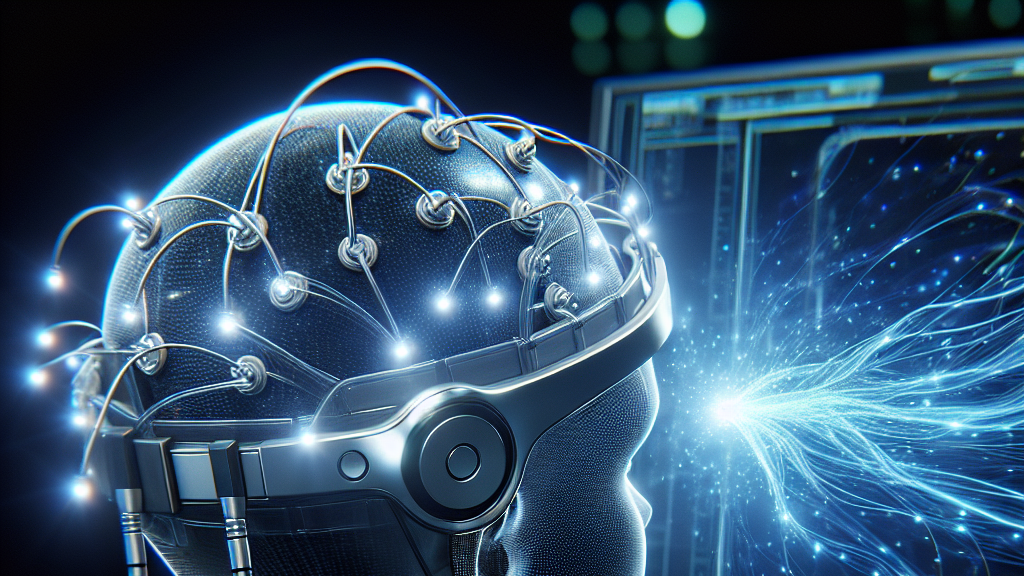
Electroencephalography records brain wave patterns, allowing researchers to analyze the dynamics of the brain’s activity and uncover universal behavior across different states.
How could this research impact treatments for attention disorders?
Understanding the universal patterns in brain dynamics could lead to more effective treatments by targeting the brain’s specific patterns when attention disorders occur.
What is the complexity-entropy causality plane in brain research?
The complexity-entropy causality plane is a tool used to map and compare the complexity and entropy of brain dynamics, helping researchers identify universal patterns across different brain states.
Background
This research focuses on understanding the complexity and dynamics of the human brain under varying conditions, such as anesthesia or attention disorders, using electroencephalography (EEG). EEG is a non-invasive way to monitor brain activity by recording electrical signals across time. These signals provide insight into the brain’s state and complexity.
History
The study of brain dynamics has its roots in understanding how different mental states affect the mind’s processing. Over time, advances in technology like EEG have allowed researchers to explore these aspects more deeply, leading to the discovery of universal patterns that transcend individual conditions such as anesthesia or ADHD.
Based on “Human Brain State Analysis Unveils Complexity of Brain Dynamics: Insights from General Anesthesia and ADHD EEG signals” by Athokpam Langlen Chanu, Youngjai Park, Younghwa Cha, UnCheol Lee, Joon-Young Moon, Jong-Min Park, available on arXiv (arxiv.org/abs/2503.19924), used under CC BY 4.0 (creativecommons.org/licenses/by/4.0/).