What if every time a rocket blasted off, it was like a giant gong ringing out across space, allowing us to see beneath the surface of distant worlds? Sounds wild, right? But this is exactly what scientists are exploring—using the vibrations from rocket launches, also known as rocketquakes, to capture images of what’s hidden under planetary surfaces. This new technique could revolutionize our understanding of other planets and moons.
In a bold experiment, researchers positioned seismometers strategically during a Falcon 9 rocket launch at Vandenberg Space Force Base in California. They aimed to capture the seismic waves generated by the launch. And guess what? It worked! The vibrations provided valuable clues about the subsurface layers, showing differences in wave speeds and how deep they could travel. This approach combines methods from both earthquake and exploration seismology to craft a detailed picture of the underground landscape.
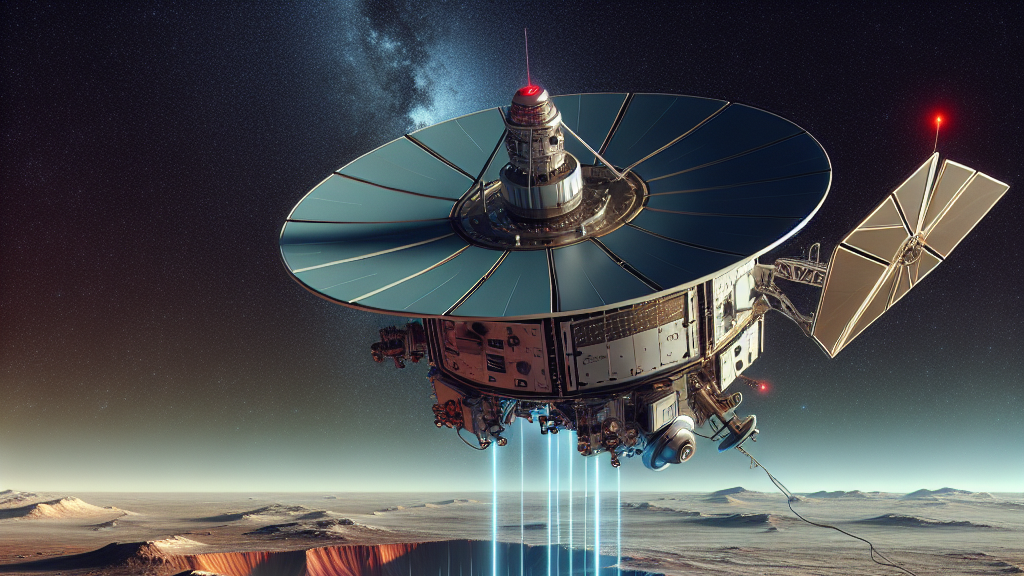
Imagine this technique applied to exploring the moon or Mars! We could detect underground tunnels, mineral deposits, or icy water reserves without drilling or sending extensive human missions initially. It’s like having X-ray vision for a planet’s surface, giving scientists a groundbreaking tool to understand the building blocks and potential hazards of extraterrestrial environments. Unveiling these secrets could open up new opportunities for space exploration and make space missions safer and more efficient.
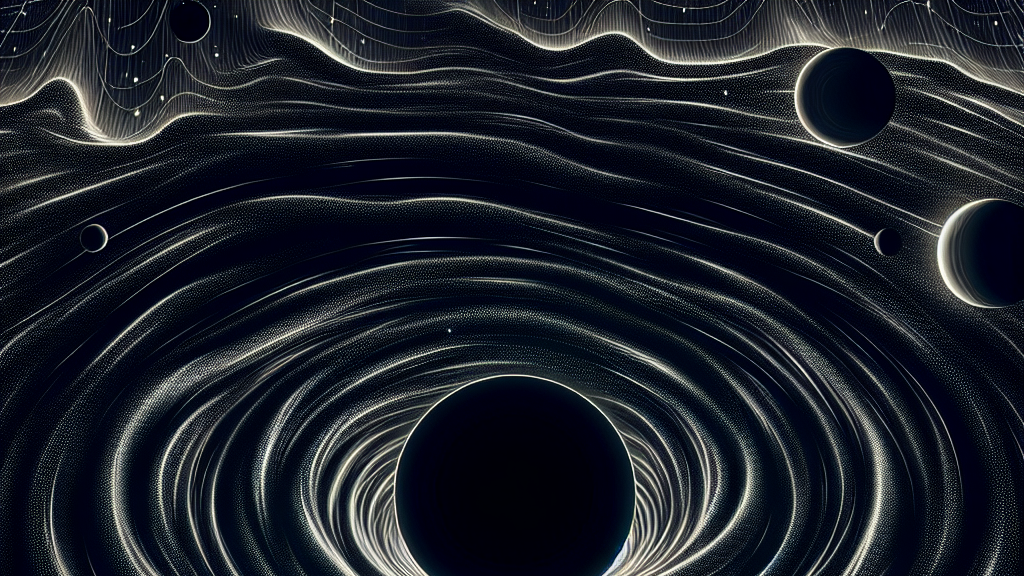
Rocket launches can shake the ground so much that they create waves similar to earthquakes, called rocketquakes!
FAQs
How can rocketquakes reveal details about planetary subsurfaces?
Rocketquakes generate vibrations that travel through the ground. By capturing and analyzing these waves using seismometers, scientists can create images of what’s beneath the surface, showing layers and materials like tunnels, faults, and even water ice.
Why didn’t the seismometer 15 km away detect body wave arrivals?
The waves may have dissipated or become too weak to detect at that distance, highlighting the importance of strategic placement of seismometers in future studies to capture comprehensive data.
What are the practical implications of using rocketquakes for space exploration?
Rocketquakes could allow us to map and understand the geology of other planets without human presence, helping us identify resources or hazards, which could streamline and safeguard future space missions.
How do these seismology techniques differ from traditional earthquake methods?
These methods blend techniques from earthquake and exploration seismology, focusing on man-made wave sources like rocket launches instead of natural ones, allowing for controlled and targeted subsurface exploration.
Could this technology be used on Earth for similar purposes?
Yes, similar technology can be used on Earth to study subsurface features and potential hazards, offering insights in areas like resource exploration and understanding geological fault lines.
Background
Seismology is the study of how waves move through the Earth, often used to study earthquakes. By observing these waves, scientists can learn about the Earth’s structure and composition. ‘Rocketquakes’ apply this concept to man-made rocket launches, using them as a controlled source of seismic waves to analyze the geological features of planetary bodies.
History
Traditionally, seismology has been used to understand Earth’s geology through natural earthquake events. With advances in technology, exploration seismology developed to use artificial sources like explosions. Now, this study builds on those advancements by utilizing rocket launches, a novel man-made event, to extend seismic studies to other planets.
Based on “Rocketquake Seismology with a Falcon 9 Rocket Source” by Gerard. T. Schuster, Jing Li, Sherif Hanafy, Vaughn Thompson, Jamie Mark Farrell, Daniel Trentman, available on arXiv (arxiv.org/abs/2502.01982), used under CC BY 4.0 (creativecommons.org/licenses/by/4.0/).