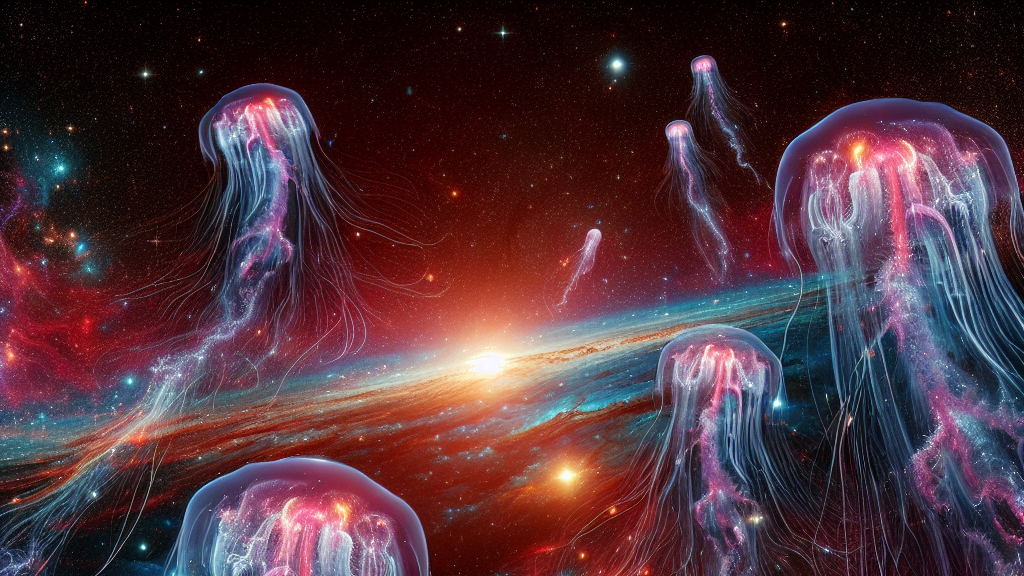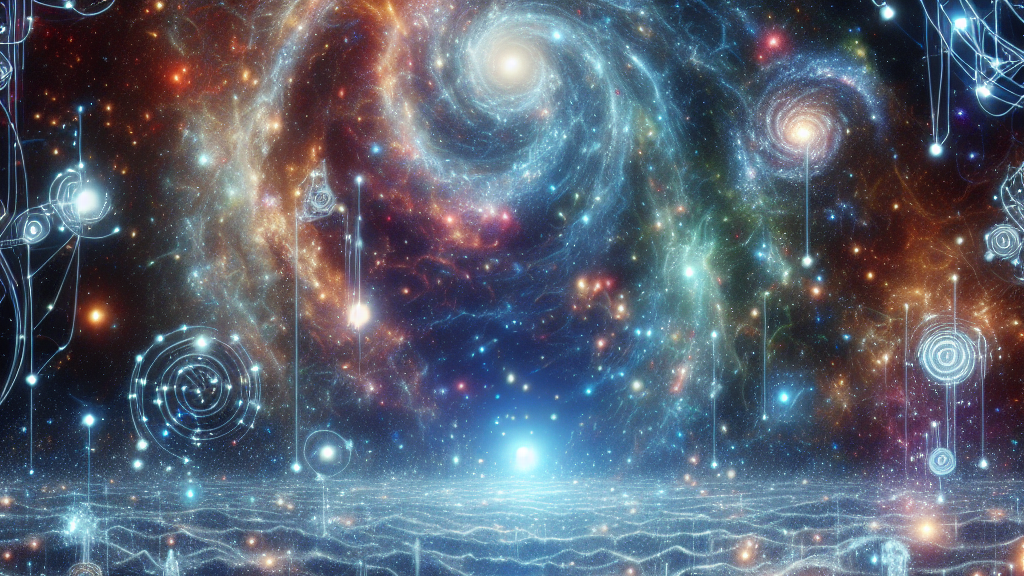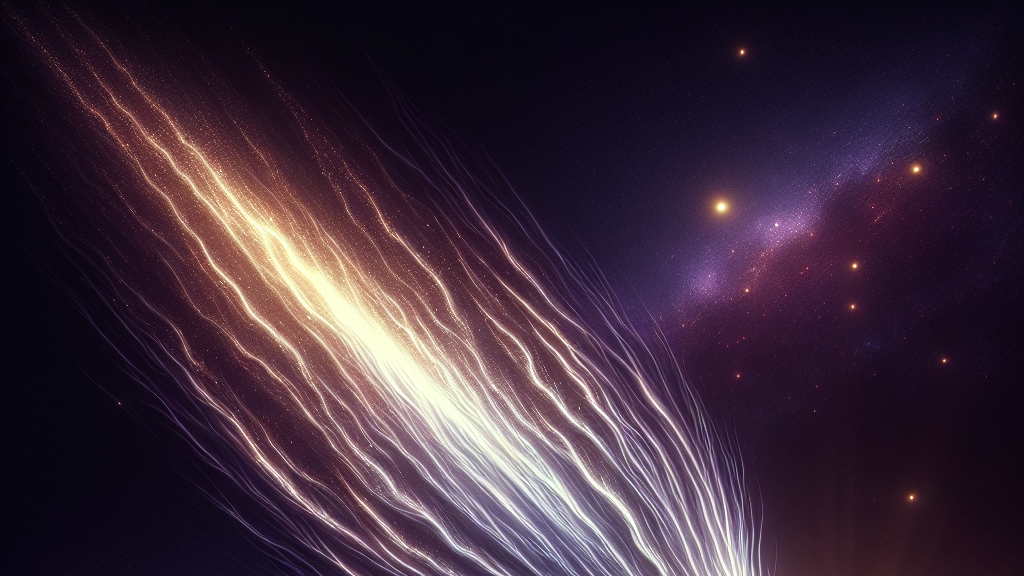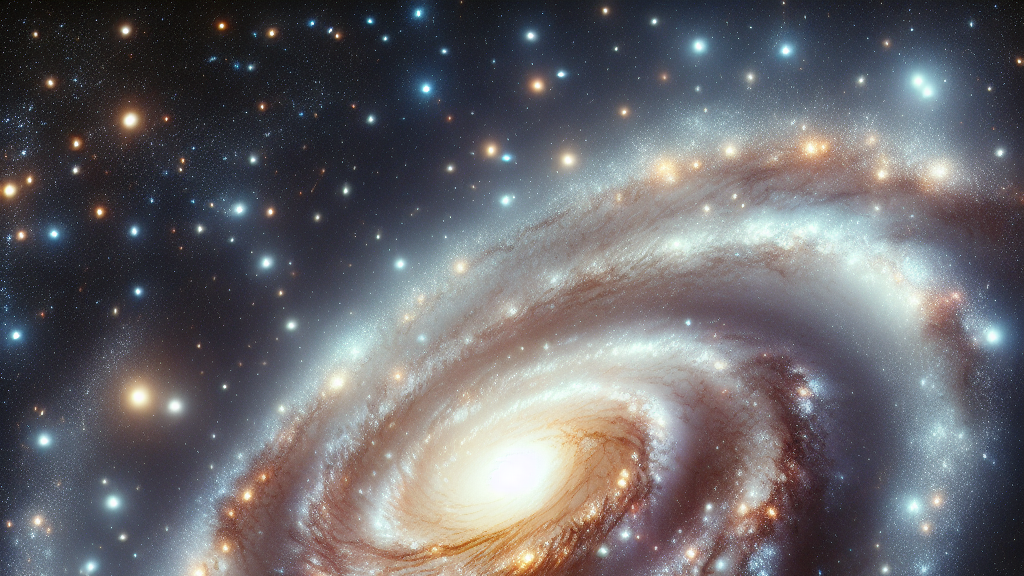
Imagine a galaxy so powerful that it resembles a cosmic jellyfish floating in space! This is what scientists have found, a ‘jellyfish galaxy’ in a region of the universe where intense forces pull at its edges, creating a long, streaming tail that resembles jellyfish tentacles. The discovery is both mesmerizing and a bit mind-boggling.
Using the James Webb Space Telescope, researchers observed this unusual galaxy named COSMOS2020-635829. It sits in a cluster far, far away, over a billion light-years from us, and is being reshaped by a process known as ram pressure stripping. This process occurs when galaxies speed through clusters laden with hot gas, which strips away parts of the galaxy, leaving behind a trail of fresh star formation. Scientists believe this cosmic tug-of-war happens frequently across the universe, affecting how galaxies age and evolve.
So, why does this matter for us Earthlings? Understanding these galactic jellyfish isn’t just about picturesque space images. It’s like opening a window into the past, where we can study how galaxies like our Milky Way may have transformed. As we learn more, it might even lead to new insights about life in the universe by showing us what conditions were present during galaxy formation and evolution. The more we discover, the closer we get to piecing together the universe’s vast mystery.
Did you know? The ‘jellyfish’ effect in galaxies is caused by the intense pressure of cosmic gas, which peels away parts of the galaxy, creating mesmerizing tails of new stars.
FAQs
What makes COSMOS2020-635829 a ‘jellyfish’ galaxy?
COSMOS2020-635829 is called a ‘jellyfish’ galaxy because of its long, trailing tail, which resembles the tentacles of a jellyfish. This phenomenon occurs due to a process called ram pressure stripping, where a galaxy moving through a cluster is stripped of its gas and dust, leading to new star formation.
How do scientists study jellyfish galaxies like COSMOS2020-635829?
Scientists use advanced telescopes like the James Webb Space Telescope to capture high-resolution images of galaxies like COSMOS2020-635829. These images help them observe the structure and dynamics of the galaxy and its tail, providing insights into the process of ram pressure stripping and galaxy evolution.
Why is the discovery of COSMOS2020-635829 significant?
The discovery of COSMOS2020-635829 is significant because it’s the highest-redshift example of a ram pressure-stripped galaxy observed so far, allowing scientists to understand more about galaxy evolution during a crucial period known as Cosmic Noon, when star formation was at its peak in the universe.
What role does ram pressure stripping play in galaxy evolution?
Ram pressure stripping plays a crucial role in galaxy evolution by removing gas from galaxies as they move through clusters. This process can quench star formation, change the galaxy’s shape, and create new regions of star formation, significantly influencing the galaxy’s lifecycle.
Background
Ram pressure stripping is a fascinating process that affects galaxies as they move through clusters of intergalactic gas. The pressure from this gas acts like a wind, stripping away the galaxy’s outer layers, similar to how wind peels paint off a wall. This leads to the formation of tails of new stars, giving the appearance of cosmic jellyfish.
History
The study of ram pressure stripping and jellyfish galaxies has evolved over the years as technology has advanced. Earlier studies focused on local galaxies using ground-based telescopes. As space telescopes like the Hubble Space Telescope and now the James Webb Space Telescope became operational, astronomers could observe more distant and ancient galaxies, moving the field forward and allowing new discoveries such as COSMOS2020-635829.
Based on “JWST Reveals a Likely Jellyfish Galaxy at z=1.156” by Ian D. Roberts, Michael L. Balogh, Visal Sok, Adam Muzzin, Michael J. Hudson, Pascale Jablonka, available on arXiv (arxiv.org/abs/2506.14117), used under CC BY 4.0 (creativecommons.org/licenses/by/4.0/).