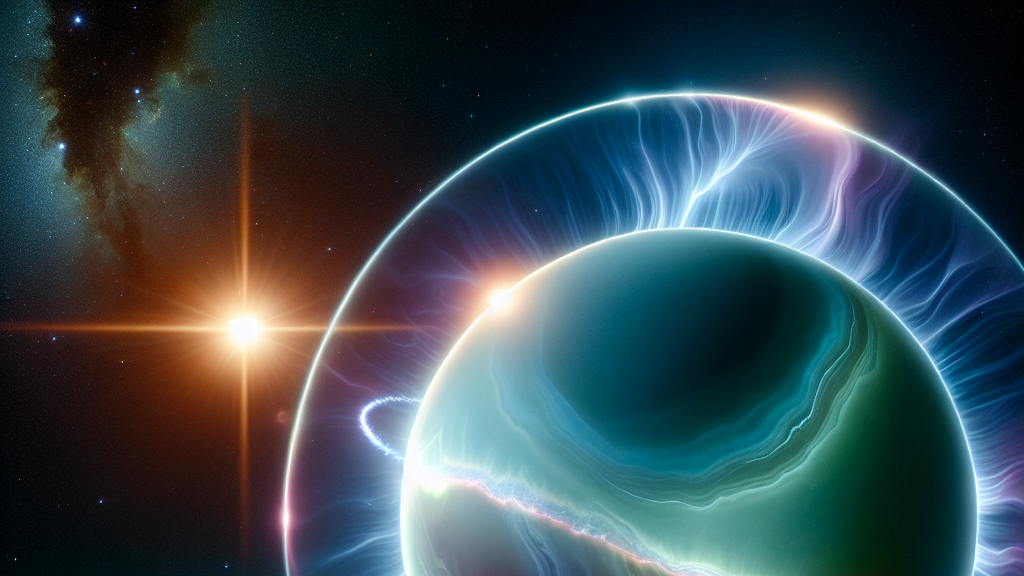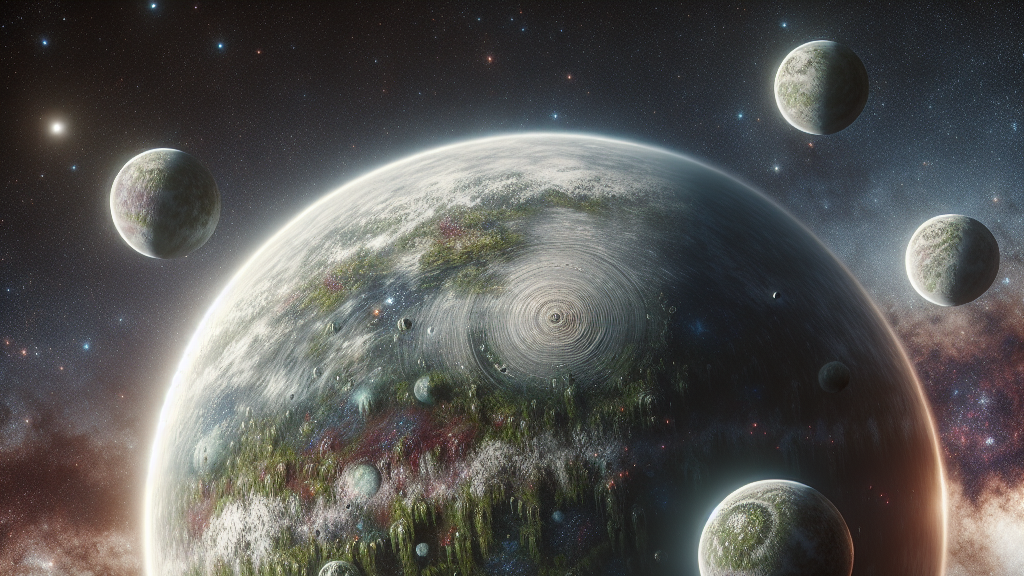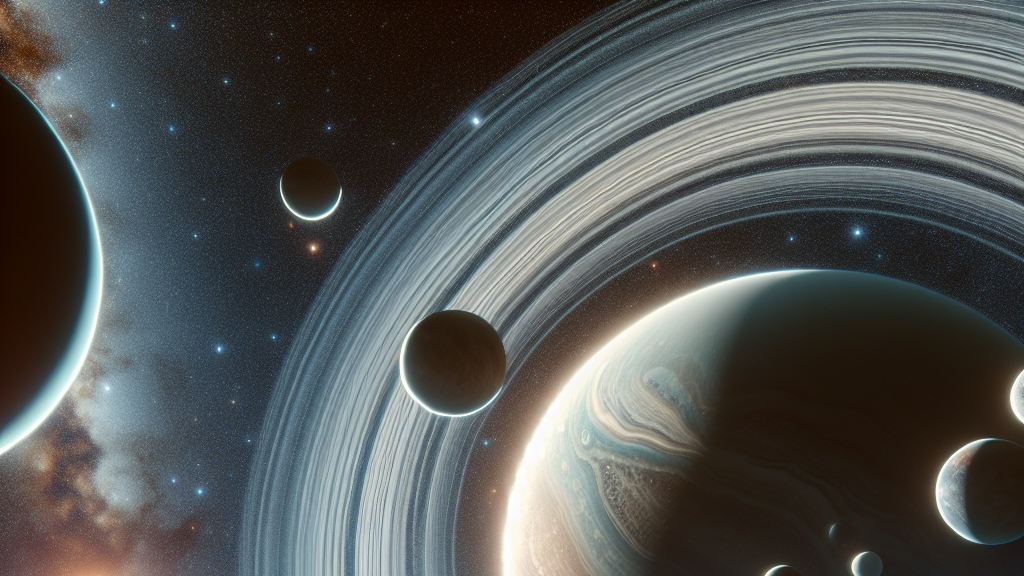
Imagine a world where the search for life doesn’t stop at planets, but extends to the moons orbiting them. As we discover more exoplanets, many of which are large gas giants like Jupiter, scientists are shifting their focus to the moons that might be orbiting these giants. The idea is that, even if the planets themselves aren’t habitable, their moons just might be the perfect places for life to thrive.
Researchers are using advanced simulations to study how moons form around these colossal gas planets. To do this, they simulate the conditions within circumplanetary disks, which are the rings of material orbiting around a planet. By creating these virtual worlds, they aim to find out if conditions could lead to the birth of large moons. Importantly, these moons might just be in the right spot, the so-called ‘sweet spot’, where the conditions are suitable for life as we know it.
Imagine a future where space missions target these massive gas giants, not to search for life on the planets themselves, but on the moons that accompany them. These celestial bodies might have their own atmospheres and, thanks to being in the right spot, could host life. This exciting prospect expands the way we look at the universe and where we think life might exist, reminding us that life’s potential homes might be more varied and numerous than we ever imagined.
Up to 32% of synthetic moons in certain simulations could potentially be habitable.
FAQs
What is the circumstellar habitable zone?
The circumstellar habitable zone is the region around a star where conditions might be just right for liquid water to exist on a planet or a moon, making it potentially suitable for life.
Why do scientists think moons around gas giants could be habitable?
Scientists believe moons around gas giants could be habitable because they may have the right conditions, like enough sunlight and warmth from tidal heating, that allow them to support life, even if the gas giant itself cannot.
How do researchers simulate moon formation to study potential habitability?
Researchers use advanced numerical simulations to mimic how moons might form in circumplanetary disks. They follow the growth of moon embryos and assess factors like stellar energy and tidal heating to determine if these moons could be habitable.
What role does tidal heating play in moon habitability?
Tidal heating occurs because of the gravitational pull between a moon and its planet, which generates heat. This can help keep moons warm enough to support liquid water, even if they’re far from the host star.
Why is the distance of a gas giant from its star important for its moons’ habitability?
The distance of a gas giant from its star affects the light and heat the moons receive. Closer distances mean more light and heat, which can contribute to conditions that make moons more likely to support life.
Background
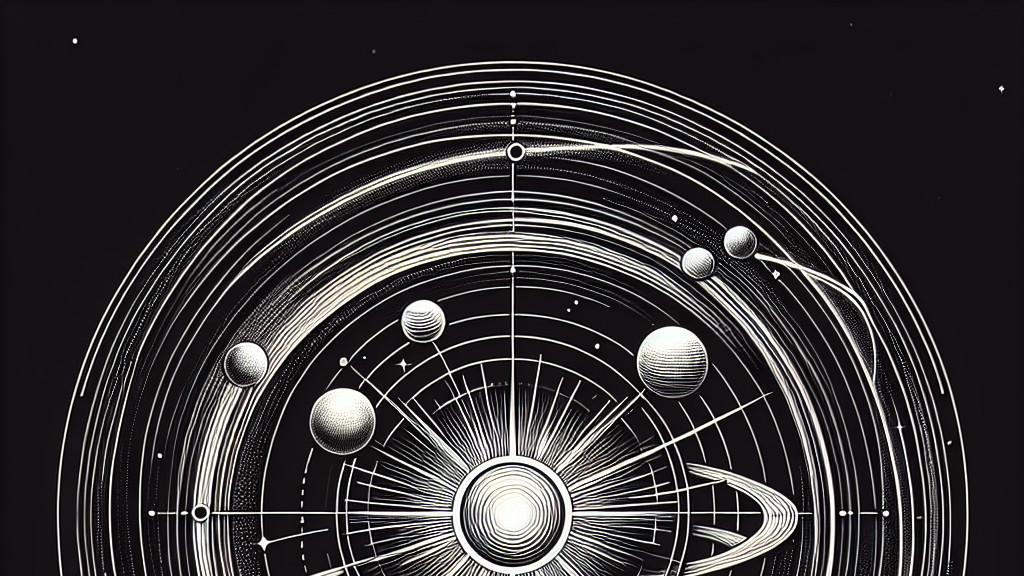
The concept of a circumplanetary disk is key to understanding how moons form around planets. These disks are like rings of dust and gas orbiting a planet, and they provide the raw materials for moon formation. Researchers simulate these environments to understand how moons grow over time and what conditions allow these moons to be potentially habitable.
History
The search for habitable worlds has traditionally focused on planets, particularly terrestrial ones in the habitable zone. However, the discovery of many gas giants has led scientists to consider that moons, if present, might be the real candidates for hosting life. The study of exoplanets began in earnest in the 1990s, and since then, the hunt has expanded as technology improves, allowing us to study smaller and more distant celestial objects.
Based on “Grand Theft Moons. Formation of habitable moons around giant planets” by Zoltan Dencs, Vera Dobos, Zsolt Regaly, available on arXiv (arxiv.org/abs/2505.18144), used under CC BY 4.0 (creativecommons.org/licenses/by/4.0/).