Ever thought about how your latest Instagram post could be giving away your whereabouts? As we snap and share moments of our lives, a hidden danger lurks in the form of location privacy leaks. With technology like Large Language Models (LLMs), cybercriminals find it easier than ever to pinpoint your exact location, potentially leading to identity theft or unwanted attention. That’s a scary thought, right?
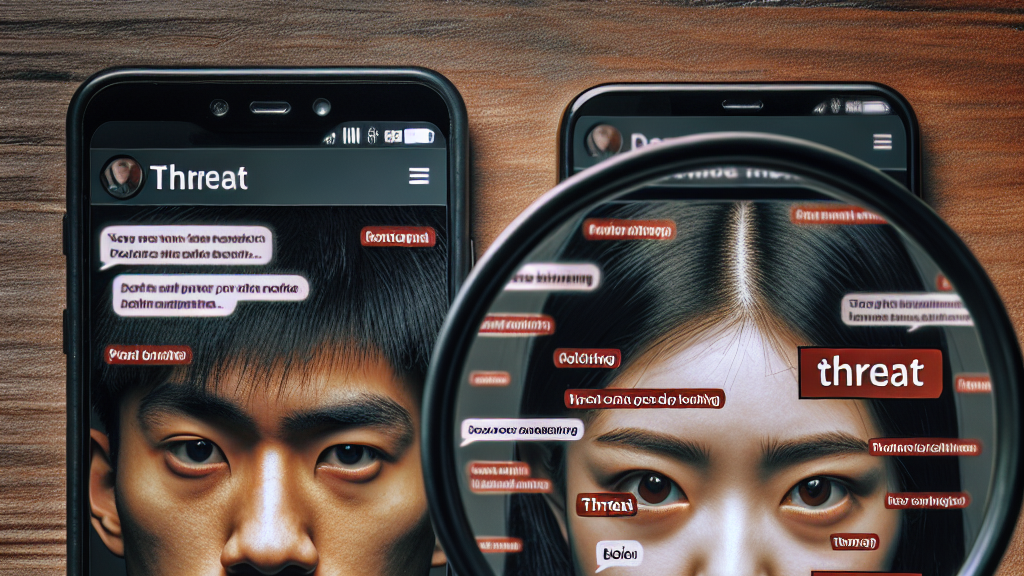
In an effort to combat this, a group of researchers developed a ground-breaking app designed to help users become aware of how much they’re revealing in their social media photos. This innovative app prompts its users to think twice by highlighting parts of an image that might be revealing more than intended, like well-known landmarks or other clues. The goal was to see how aware people were about these risks and to encourage better habits when sharing images online.
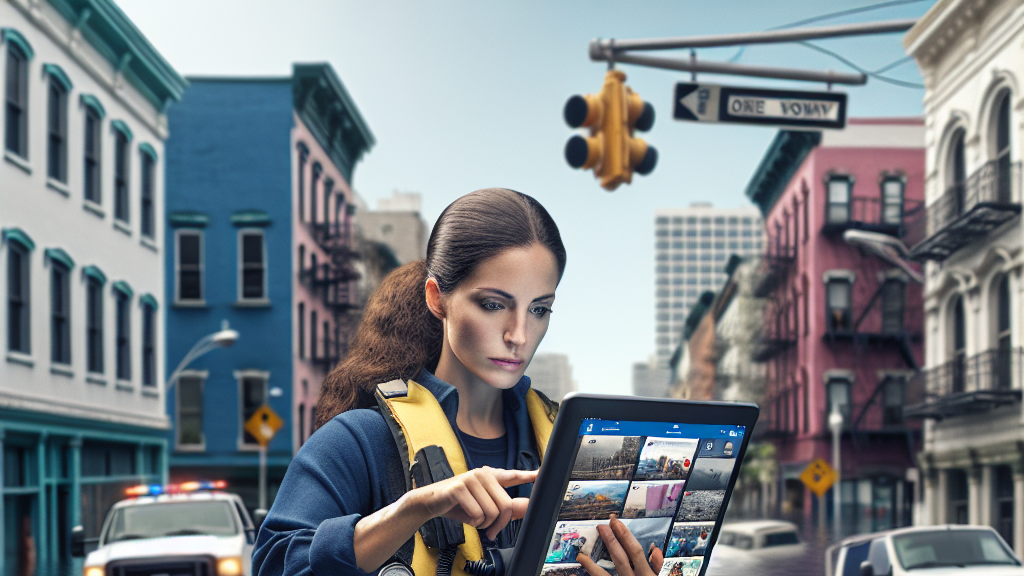
Looking ahead, this research is paving the way for more advanced tools that could be seamlessly integrated into our favorite social media platforms. Imagine an app that automatically scans your photos before they’re uploaded, flagging any potential privacy risks and suggesting fixes. This could mean safe sharing without the constant worry of who might be tracking your every move!
Did you know? A simple landmark like a famous statue captured in your selfie can inadvertently reveal your exact location to strangers online.
FAQs
How can photos on social media lead to location privacy leaks?
Photos shared on social media can contain visual clues like landmarks or recognizable backgrounds that, when analyzed by advanced technologies such as Large Language Models, can inadvertently disclose your exact location to others, including potential cybercriminals.
What is an LLM-powered location privacy intervention app?
An LLM-powered location privacy intervention app is a tool designed to increase users’ awareness of the privacy risks associated with photo sharing. It highlights parts of your images that could reveal your location and suggests ways to conceal this information, enhancing your online privacy.
What did the study find about user awareness of location privacy?
The study found that the intervention app effectively increased users’ awareness of the potential privacy leaks caused by technology like Large Language Models. It also led to discussions about the importance of controlling personal data privacy online.
What are the future implications of this research?
This research suggests that integrating privacy-preserving technologies into social media platforms could help users maintain better control over their location data. This could lead to more secure and aware online photo-sharing experiences.
Why is controlling location privacy crucial on social media?
Controlling location privacy on social media is vital to prevent unauthorized tracking, identity theft, and social engineering attacks, ensuring users’ personal safety and privacy in the digital world.
Background
Location privacy refers to safeguarding the information about where you are, especially while sharing photos online. With the rise of tools like Large Language Models, it’s now easier to extract location data from images by identifying landmarks or other visual cues. This study utilizes these advancements to create an app that helps users identify and fix these potential leaks before sharing photos.
History
The concern over digital privacy has grown with the increasing use of social media and smartphones. Earlier studies focused on general data privacy, but recent advancements like Large Language Models have shifted focus towards understanding and protecting location-based privacy, as these models can process and interpret vast amounts of visual data more efficiently than before.
Based on “Raising Awareness of Location Information Vulnerabilities in Social Media Photos using LLMs” by Ying Ma, Shiquan Zhang, Dongju Yang, Zhanna Sarsenbayeva, Jarrod Knibbe, Jorge Goncalves, available on arXiv (arxiv.org/abs/2503.20226), used under CC BY 4.0 (creativecommons.org/licenses/by/4.0/).