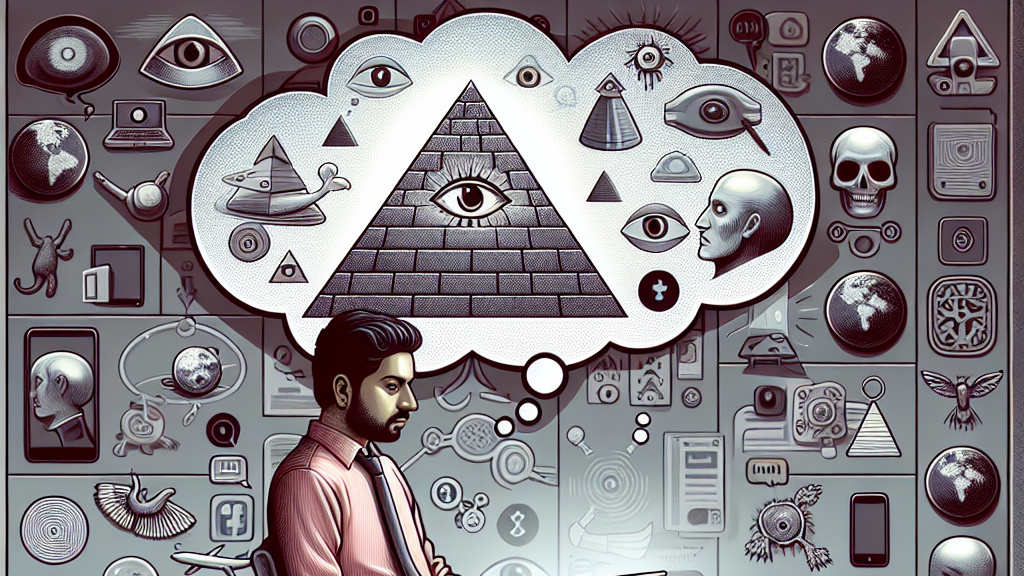
Imagine if the rules meant to keep your favorite social media apps honest were actually making it harder for anyone to check if they’re playing fair. Pretty wild, right? As these apps rely more on smart algorithms, they’re actually shutting the door on people who want to make sure those algorithms aren’t being sneaky.
A recent study took a closer look at how platforms like X/Twitter, Reddit, TikTok, and Meta are following new rules meant to make algorithms more transparent. Surprisingly, as these platforms lean more on artificial intelligence systems to run their operations, they also make it harder for independent groups to peek behind the curtain. This is the “accountability paradox”—just when we need to see more, they’re showing us less.
What can be done about this tricky situation? The researchers propose some smart changes that could force platforms to be more open. They suggest new policies that will allow access to important data without compromising users’ privacy. Imagine in the future having a clear view of how apps decide what to show you—wouldn’t that make interacting on social media a lot more trustworthy?
Did you know? The more social media platforms rely on AI, the less transparent they become to outside checks. Talk about a paradox!
FAQs
How do social media platforms limit algorithm transparency?
Social media platforms often restrict access to important data that could help external auditors see how their algorithms work. This makes it hard to verify how they manage content moderation and algorithmic amplification.
What is the accountability paradox in social media platforms?
The accountability paradox refers to the situation where platforms increasingly use AI for operations while simultaneously restricting oversight access, making it difficult for independent verification of their algorithms.
Why is algorithm transparency important in social media?
Algorithm transparency ensures users receive fair treatment and not biased or harmful content due to poorly managed algorithms. It builds trust and holds platforms accountable for the content they distribute.
How might future policies improve social media transparency?
Future policies could enforce federated access models allowing auditors to access data securely. These policies would enhance oversight without compromising user privacy, creating a more accountable digital environment.
Background
The EU Digital Services Act mandates that social media platforms offer more transparency in their algorithms to ensure they are not promoting harmful or biased content. Platforms like X/Twitter, Reddit, TikTok, and Meta are required to allow third-party audits, but currently, their restrictions on data access make such audits challenging.
History
In recent years, regulatory bodies worldwide have pushed for greater algorithmic transparency in social media to combat misinformation and ensure fair content dissemination. The study addresses the ongoing tension between platform compliance with these regulations and their operational restrictions, particularly since the adoption of artificial intelligence in content moderation.
Based on “The Accountability Paradox: How Platform API Restrictions Undermine AI Transparency Mandates” by Florian A. D. Burnat, Brittany I. Davidson, available on arXiv (arxiv.org/abs/2505.11577), used under CC BY 4.0 (creativecommons.org/licenses/by/4.0/).