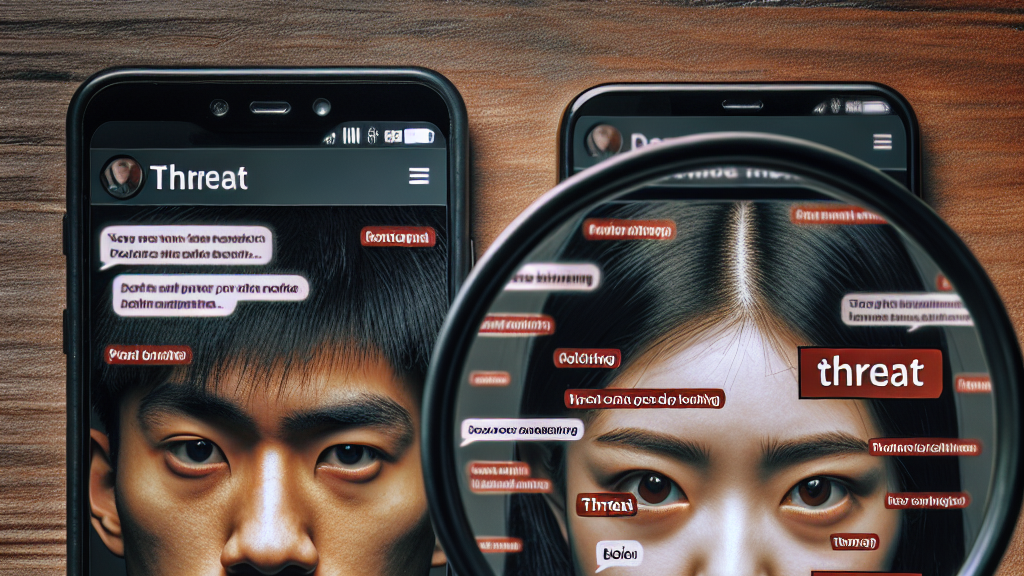
Imagine a sudden natural disaster strikes, and your social media is filled with cries for help, offers to assist, and countless updates. It’s chaotic, right? Well, here’s the exciting part: AI can now help sort through this mess efficiently, making it easier for humanitarian organizations to focus on what’s most crucial. This way, people who need help the most get it faster.
So, what’s the science behind it? Researchers have developed a system that uses a special type of AI to categorize all these social media posts into three key areas: supplies, emergency personnel, and actions. This AI doesn’t just stop at filing these posts into categories; it also figures out which ones need immediate attention by using something called Query-Specific Few-shot Learning. This is a fancy term for a method that finds the most helpful examples to train the AI, so it improves over time.
Think about the real-world implications. In a flood scenario, for example, people might be asking for food or shelter. By using this AI system, emergency services can quickly identify these requests and prioritize them, ensuring help gets to where it’s needed most—faster and more efficiently. This technology could be a game-changer in how we respond to crises and save lives in the process.
During natural disasters, the volume of social media posts can increase tenfold, creating a huge data-sorting challenge.
FAQs
How does AI help organize social media during natural disasters?
AI sorts through the chaos of social media posts by using a new system that efficiently categorizes information about supplies, emergency personnel, and immediate actions. This helps humanitarian organizations respond more effectively.
What makes this AI approach different from other methods?
This AI uses something called Query-Specific Few-shot Learning, which finds the best examples to teach itself how to sort posts better over time, outperforming other prompting strategies in prioritizing actionable requests.
Why is it important to prioritize social media posts during a disaster?
Prioritizing posts ensures that critical requests for help are quickly identified and addressed, allowing emergency responders to focus on the most urgent needs and save more lives.
Can this AI system really make a difference in real disasters?
Yes, by rapidly sorting and identifying urgent requests during real disasters, this AI can direct resources more effectively and expedite the delivery of aid where it is most needed.
How does Query-Specific Few-shot Learning work?
This learning method uses specific examples to teach AI systems to recognize and prioritize important social media messages, improving their effectiveness in sorting and pinpointing actionable content.
Background
When a natural disaster occurs, social media explodes with posts. These could be pleas for aid, offers of assistance, or updates on the ground. Humanitarian organizations need a way to quickly process this information to respond effectively. Large Language Models are types of AI that are particularly good at understanding and classifying text. They look for patterns in words and sentences to categorize information in useful ways.
History
Previously, managing social media during disasters was a manual and painstakingly slow process. With the advent of AI technologies like Large Language Models, researchers have been working on automating this task. The introduction of Query-Specific Few-shot Learning represents a further advancement, enhancing the AI’s ability to not only categorize posts but prioritize them based on immediacy and importance.
Based on “Detecting Actionable Requests and Offers on Social Media During Crises Using LLMs” by Ahmed El Fekih Zguir, Ferda Ofli, Muhammad Imran, available on arXiv (arxiv.org/abs/2504.16144), used under CC BY 4.0 (creativecommons.org/licenses/by/4.0/).